
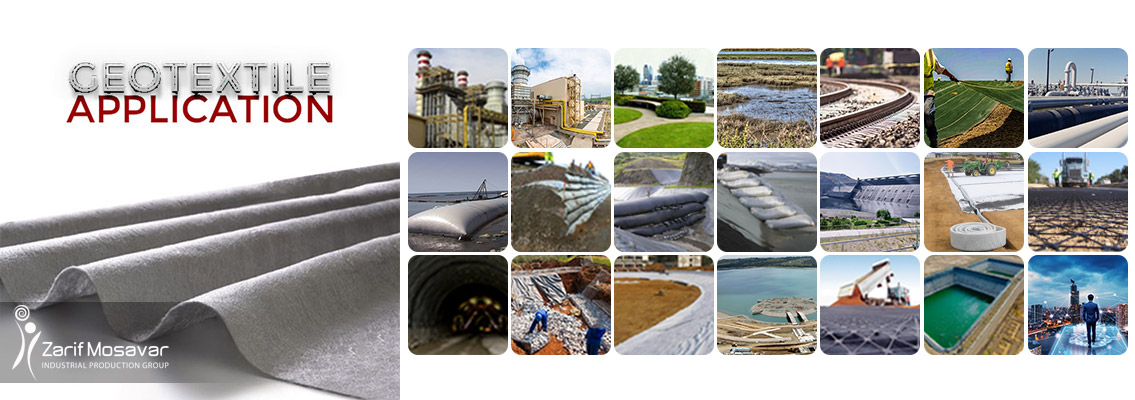
Types and uses of geotextile
The use of geotextiles based on polyester and polypropylene polymers due to 6 features (drainage, protection, erosion control, separation, filtration, strengthening) in civil and road affairs, which we explained in the article on the use of non-woven geotextiles in improving asphalt and complete roads, and other features that It was said in the structure of non-woven and woven geotextile fabric, it is more and more used in different industries. Reading related articles at the end will help to understand this article more. Know more… What is geotextile and types of geotextile
Application of geotextile and its uses in different industries
- Construction and road construction
- Construction affairs
- Underground drainage
- Preventing erosion of coastal soils and breakwaters
- dam building
- Filtering in earthen dams
- Filter in water channels
- Sludge dewatering process filter
- Sewage pond and chemicals
- Liquid and gas collection system
- Lining and isolation of tunnels
- Construction of agricultural water storage pool
- Construction of an artificial lake
- Construction of the evaporation pond of the power plant
- Construction of a green roof
- Protection and drainage systems under the lawn
- Exploitation of swamp lands
- Railway infrastructure
- Stabilization of oil and gas transmission lines
- Electronic appliances
1- The use of geotextile in construction, road and road construction
According to the uses of geotextile and geogrid, they are used to strengthen the road surface, underlay and separate between the subgrade and stone and granular materials.
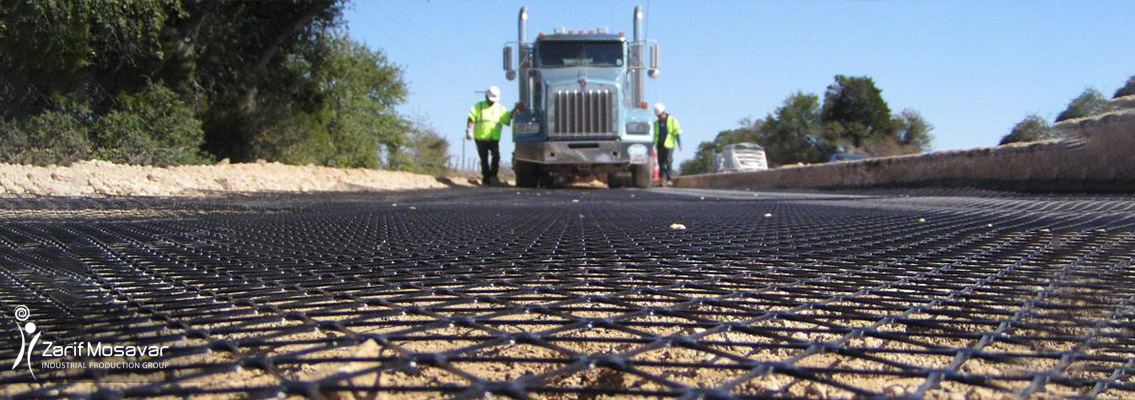
In geotextile filtration, the water will pass through the filter either under pressure or in constant flow, and it will prevent soft soil from passing into the foundation stone layer and drainage layers. In the role of strengthening, it causes the strength of subgrade soft materials; And it increases the CBR rate to an optimal level and by distributing regional and local pressure, it prevents stone and granular materials from sinking into the soft and wet subgrade and also improves the role of drainage on the road.
2- The use of geotextile in construction matters
Geotextile with the combination of geomembranes is a suitable option for isolation and drainage of building pits and to remove water from around the foundation of buildings. In addition, the use of geotextile is also used to strengthen the earth against earthquakes. Vertical drains are columns or trenches made of permeable materials, which are built to discharge the excess pore water pressure of saturated sandy and loose clay soils to reduce the possibility of liquefaction and damage caused by earthquakes.
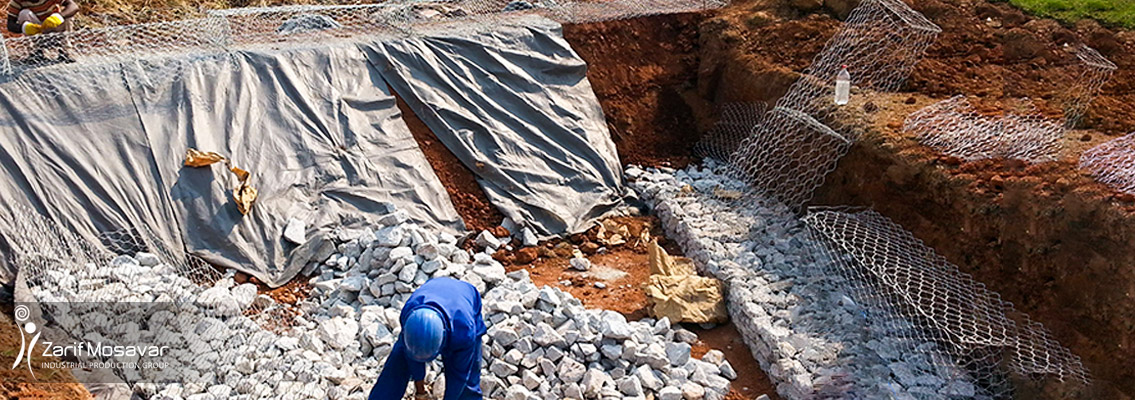
The proposed model is semi-prefabricated geotextile drains, which after digging the soil by drilling machines, geotextile layers are placed in the cut and filled with granular soil. The advantages of this method include low cost, quick installation, improvement of mechanical properties of soil in tamping and reduction of liquefaction, reliable connection of drainage, high permeability, slight disturbance of soil and proper drainage.
3- Application of geotextile fabric in underground drainage
Geotextile replaces conventional soil filters for drainage of almost all structures from underground water control systems to road pavements, building infrastructures, dams and walls.
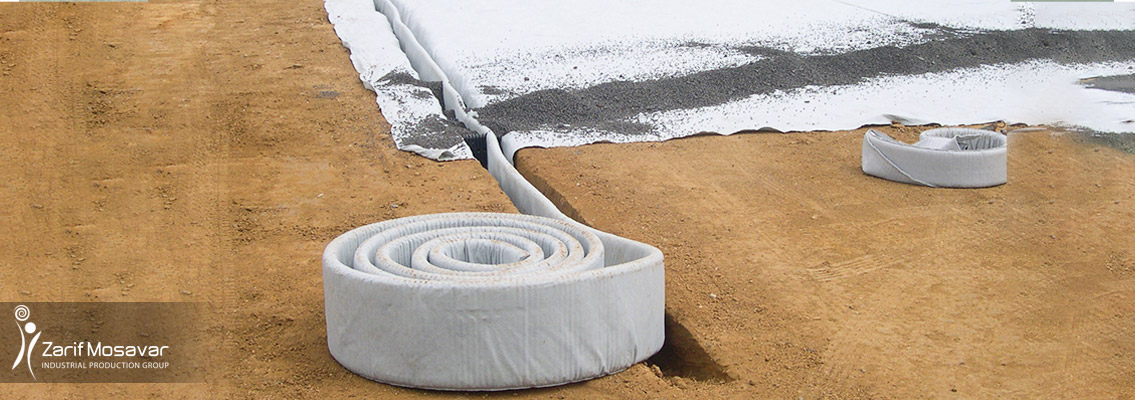
Light to medium weight non-woven geotextiles are suitable for drainage filter applications and allow underground water to pass through the drainage cores and at the same time prevent the drainage system from clogging with the adjacent soil.
4- The use of geotextile to prevent the erosion of coastal soils and breakwaters
If geotextile is not used on beaches, especially concrete artificial beaches or breakwaters, the intensity of water waves will erode the subgrade material under the reinforced concrete. The first use of geotextiles on beaches is to act as a filter to control the corrosion of wall and floor structures.
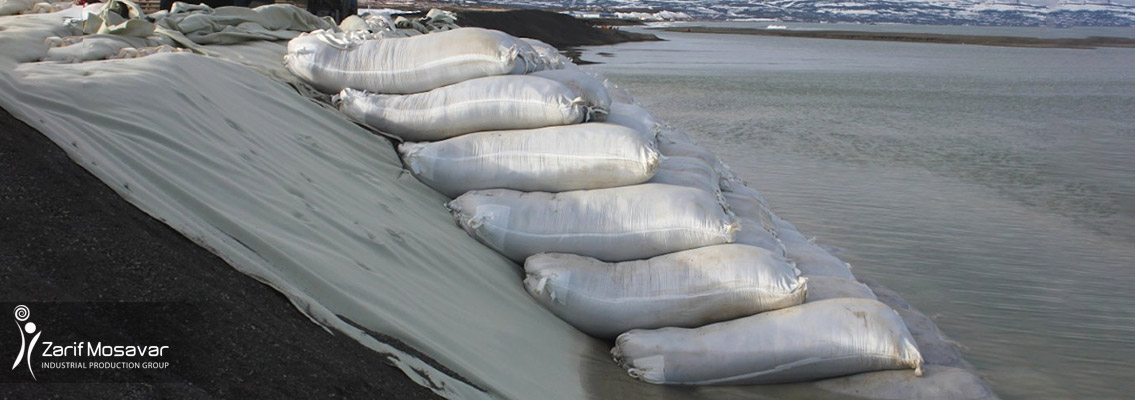
The second application and uses of geotextile on beaches is as a separating material in the foundation of breakwaters and water breakers. Geotextiles are widely used to strengthen debris on soft soils, dams and retaining walls. In fact, a geotextile used for a retaining wall can be made for almost half the cost of a traditional retaining wall.
5- Application of geotextile sheet in dam construction
The use of geotextile in the field of dam construction for waterproofing and preventing water from settling in the dam body and preventing its gradual destruction. In this application, heavy geotextile is used as the protective layer of the geomembrane membrane. It also acts as surface drainage of the dam wall and moisture transfer to the lower drains of the dam.
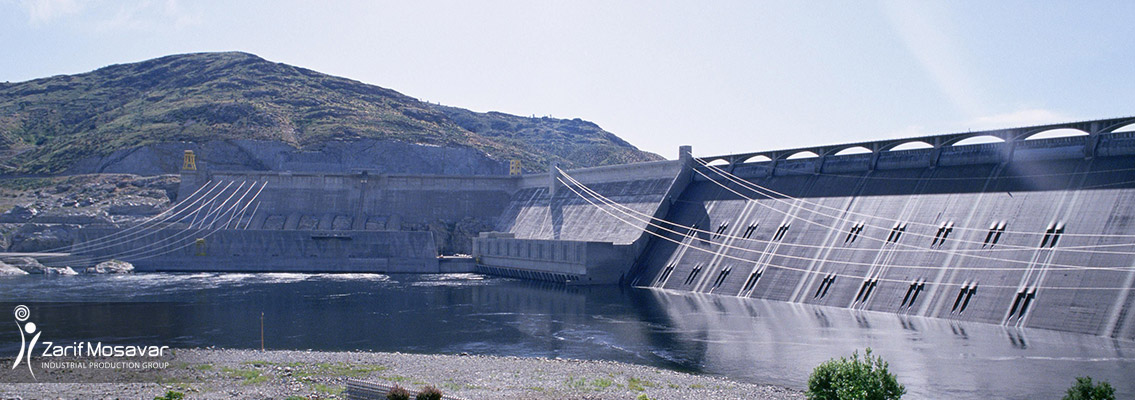
6- The use of geotextile in the filter in earthen dams
The filter is one of the important components of the soil structures that are related to the flow of water. When the leakage flow from a soil with relatively fine grains to coarser materials enters the drain, the fine-grained materials may move from their place, firstly causing instability in the whole constructed and dangerous, and secondly, they fill the empty spaces of the drainage system and create obstacles against the movement of water, and as a result, increase the hydrostatic pressure in the structure.
7- Application of geotextile in filter in water channels
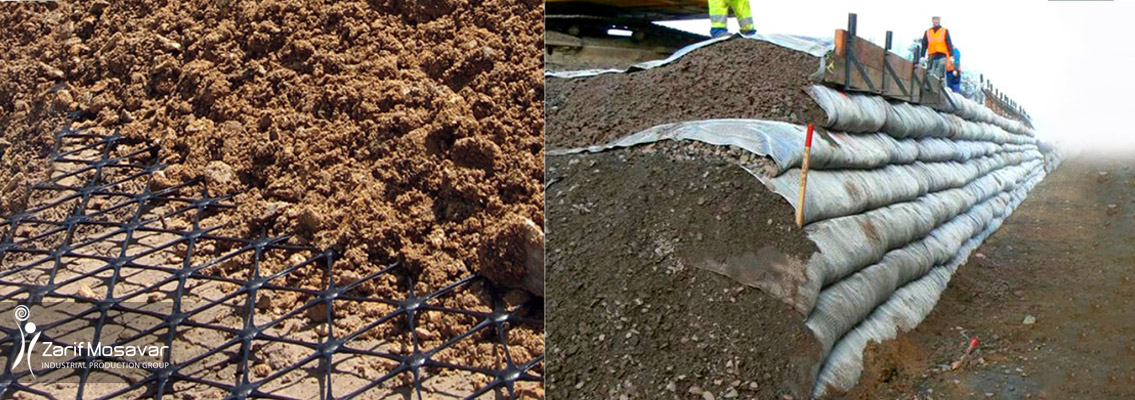
This application is the most well-known and widely used application of geotextile. In this process, the geotextile is placed in contact with the soil to be drained. Geotextiles actually replace sand materials and should be able to have the same performance and efficiency as sand filters.
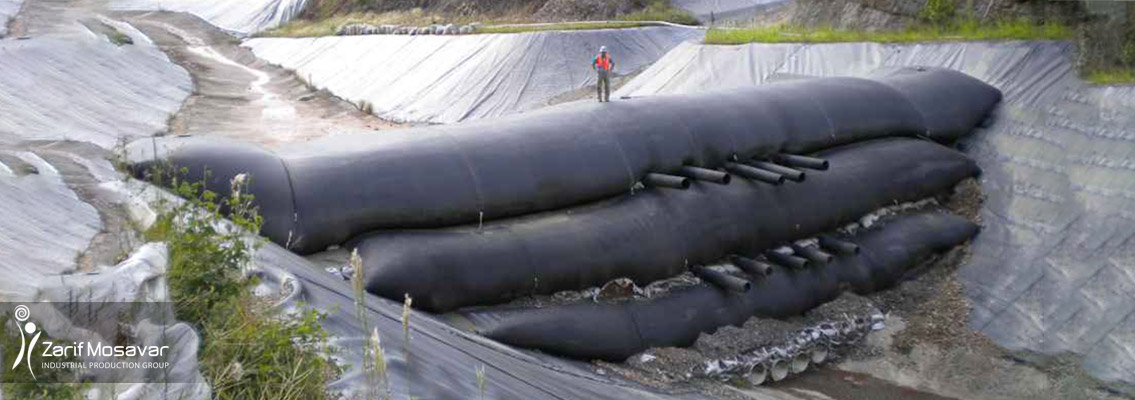
Geotextile filters and moss filters must be able to pass water or gas without creating any additional hydrostatic pressure.
8- The use of geotextile in the sludge dewatering process filter
In industries and mines, for the filtration of produced waste, in addition to constructing a waste collection pond, large pipes with geotextile fabric can be created to reject the liquid and finally the remaining sludge is discharged.
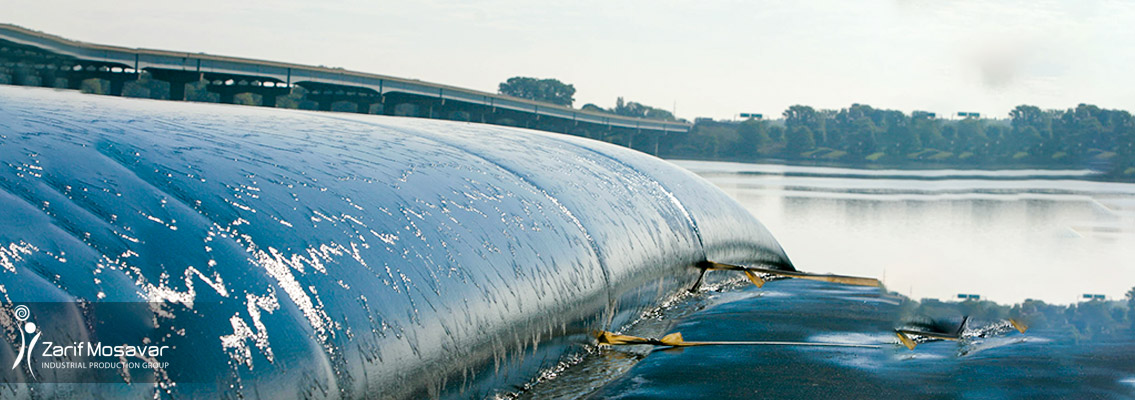
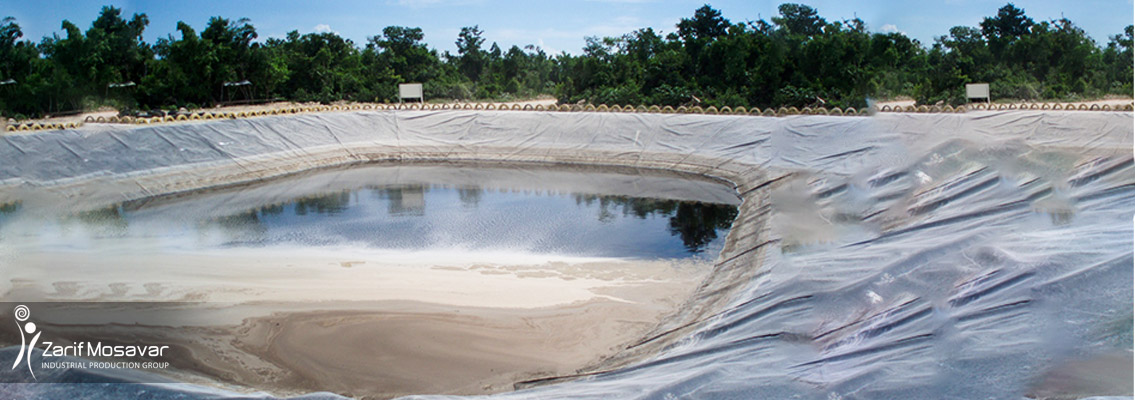
9- The use of geotextile in the sewage pond and chemicals
Non-woven geotextile fibers are used to protect the geomembrane sheet in the construction of sewage ponds or lagoons for urban and industrial wastewater treatment tanks.
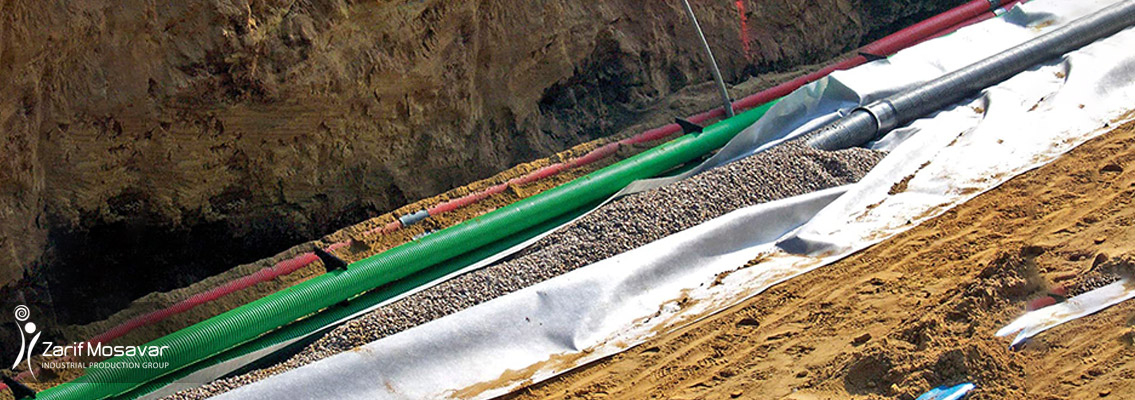
10- Application of geotextile in liquid and gas collection system
Non-woven and woven geotextiles are used for dissolved liquids and gas collection systems. If an integrated soil and geotextile system is used, the weight of the entire soil around and on the pipe and the walls of the channel can be applied to the cross section of the pipe, and in this way, the weight is sufficient to cope with achieved by buoyancy.
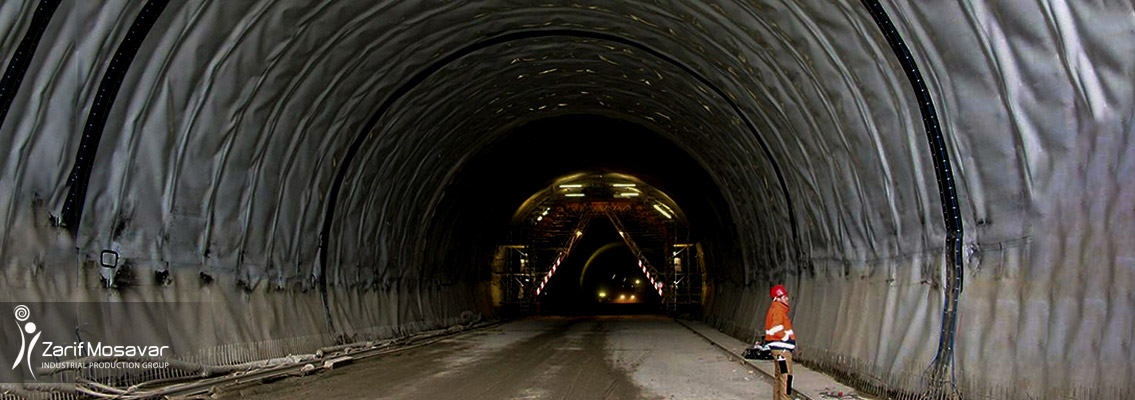
11- Application of geotextile in lining and isolation of tunnels
In isolation and drainage systems of tunnels, geotextile layer is used as protection and drainage of geomembrane sheet. In general, geotextile should be used that is resistant to chemicals and drains the fluid well and protects against possible damage to the waterproofing polymer layer, that is, it has good resistance to the concentrated pressure of the puncher on the container.
12- The use of geotextile in the construction of agricultural water storage pool
Due to the water scarcity crisis, the importance of protection for water resources has increased day by day, and agriculture is no exception to this rule. Non-woven geotextile fibers are used to protect the geomembrane sheet so that stones in the pool bed do not cause holes in the geomembrane sheet.
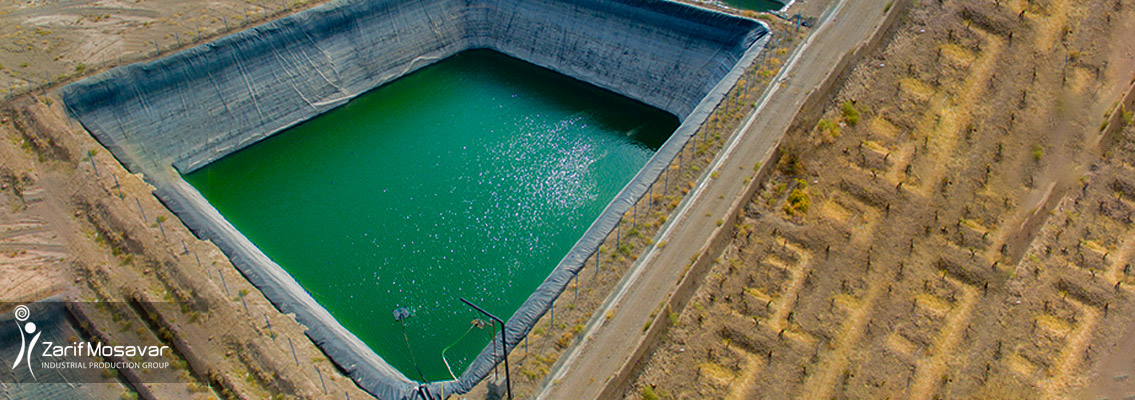
Also, based on the amount of pebbles in flooring, its proper grammage is used after the announcement of a technical expert. If you work in this field, it is suggested that you see the related articles that are linked at the end.
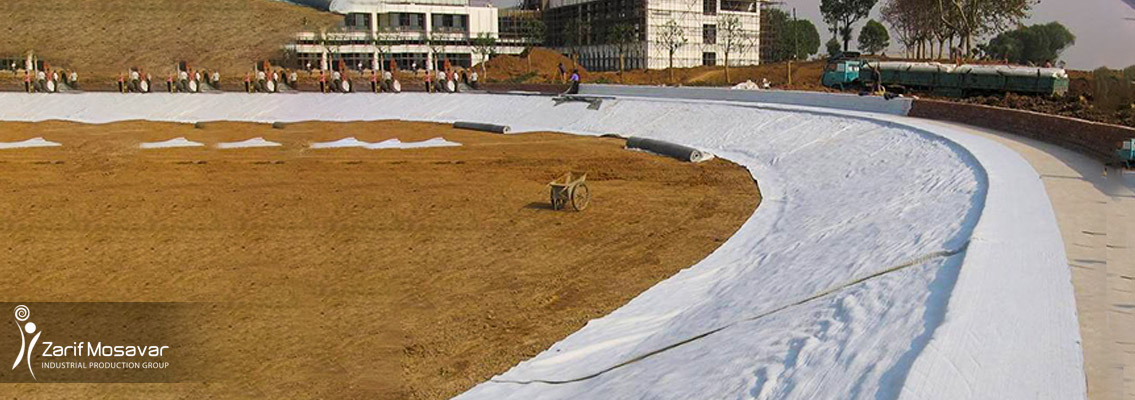
13- The use of geotextile in the construction of an artificial lake
The use of geomembranes and the implementation of these lakes is similar to the construction of an agricultural pond, which you can learn by reading the article Why an agricultural pond with geomembranes? Learn more.
14- The use of geotextile in the construction of the evaporation pond of the power plant
It is used in power plants to feed boilers and cooling towers due to high water consumption. In this way, the water enters the treatment plant, and the part that can be treated is treated, and the rest becomes waste water.
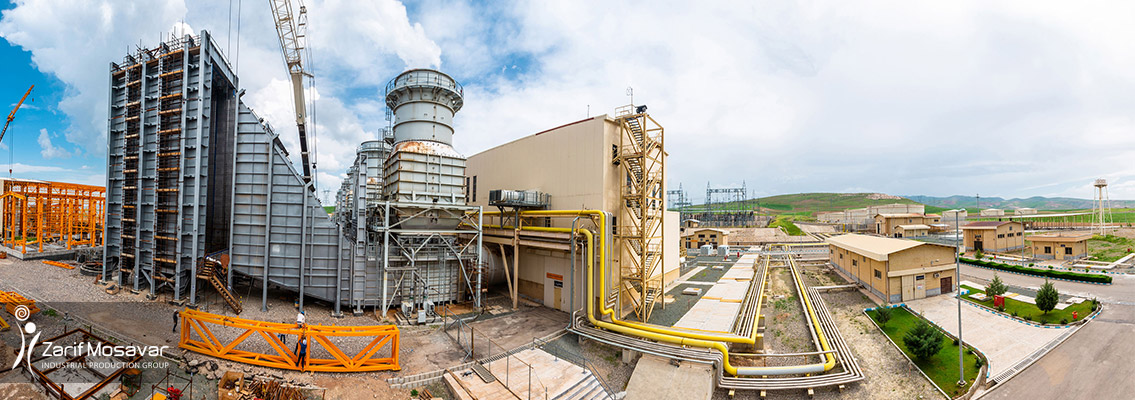
In the next step, in order not to pollute the surface and underground water, it is transferred to the evaporation pond, where the water evaporates and its sediments settle, and then it is dredged. Among its local examples, we can mention the evaporation pond of the Bidkhon combined cycle power plant.
Evaporation pond of Bidkhon combined cycle power plant
15- The use of geotextile in the construction of a green roof
With the increasing trend of humans towards nature and the use of modern technology and urbanization to get a sense of peace, comfort and security, and to pass through polluted spaces and get peace, the need for green spaces and green roofs is increasing day by day.

Geosynthetic materials are used to create a completely isolated space without leakage and for the drainage system of the water exit path on the roof.
16- The use of geotextile in protective and drainage systems under the lawn
Artificial grass is used for sports fields such as golf and football. Since artificial grass is usually installed on asphalt, the grass gradually becomes thin and causes tearing of the backing, and the tuft threads of the grass are separated from it, which can be prevented by placing geotextile between the backing and the asphalt.
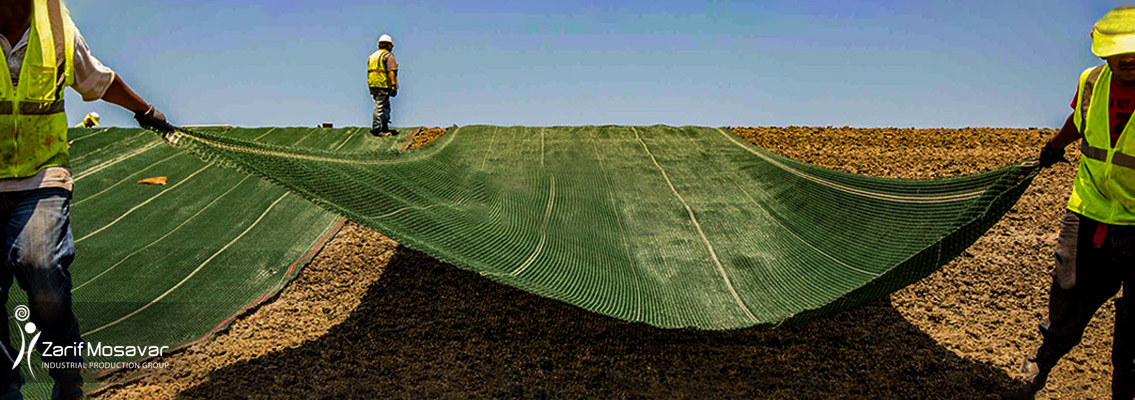
Of course, by using the amount of carboxylated styrene butadiene latex (XSBR) and nylon, polyester and polypropylene fibers in artificial grass, its resistance and life can be increased.
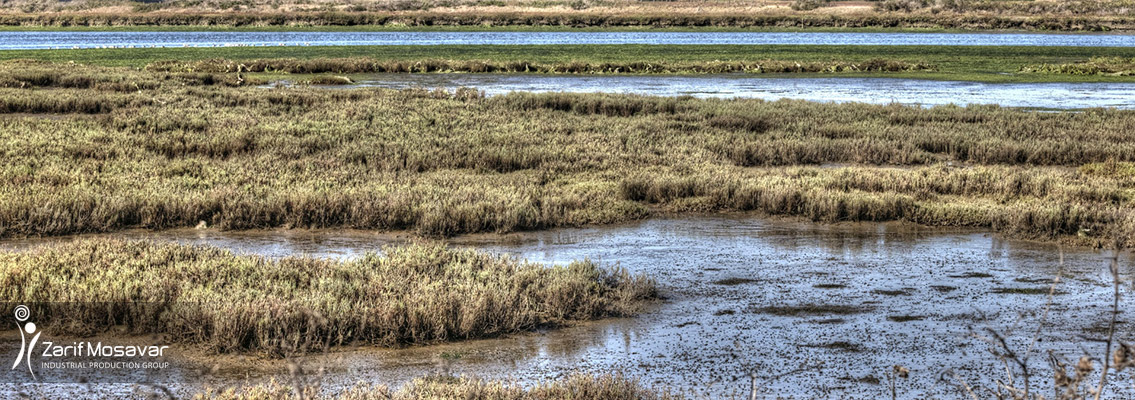
17- The use of geotextile in the extraction of swampy lands
Exploitation of swampy, loose and water-absorbing land for the exploitation and construction of various structures requires consolidation, and geotextile is a suitable alternative to traditional time-consuming and expensive methods due to its excellent tensile strength and load distribution over a wide area.
18- The use of geotextile in railway infrastructure
In this application, geotextile stabilizes the iron line. Maintaining the geometry of the railway bed and in the role of separation, between the ballast and sub-ballast foundation materials, as well as restraining the foundation and sub-foundation materials against lateral movements, helps.

The geotextile also provides a mechanism for lateral drainage (margins) and improves drainage performance.
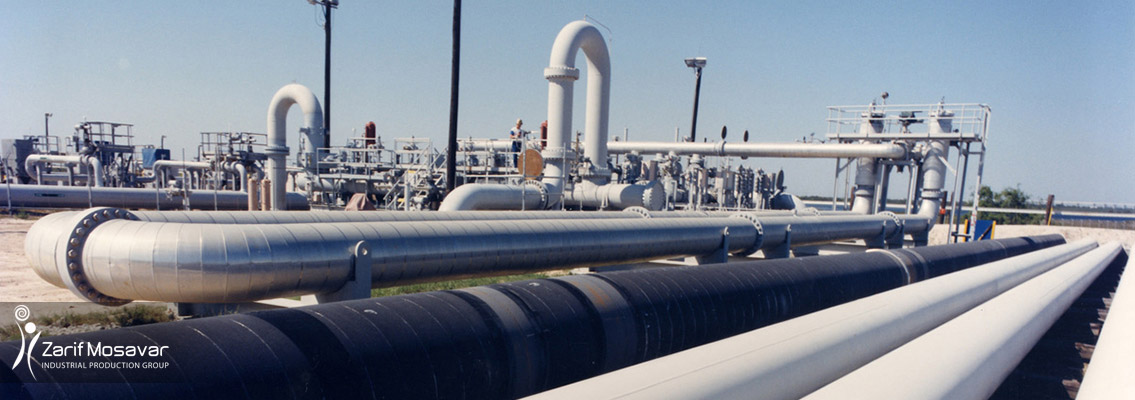
19- The use of geotextile in stabilizing oil and gas transmission lines
In the sites of oil and gas fields, which are often far from urban areas, using asphalt and concrete to strengthen roads with loose soil, for the passage of heavy drilling equipment, is a time-consuming and expensive thing, which is done by using geogrids and geotextiles. It saves time and money.
20- Application of nano geotextile in electronic devices
The next generation of geotextiles is called nano geotextile. With the role of nano technology in increasing the performance of geotextile with the possibility of reducing the diameter of the fabric to the nano scale, it causes a huge increase in surface area per weight. For example, the level of 1000 m/g becomes possible.

This decrease in weight and increase in surface area greatly affects the chemical/biological and electroactive (electronically active) reactivity of polymer fibers. In the near future, we will see many applications in the electronics industry.
Summary
Geotextile has found various applications due to playing various roles and its applications will increase day by day, which can be better compared with alternatives by knowing its advantages. The advantages of geotextile include quick construction and installation, economic efficiency, chemical resistance, high durability, lack of separation between grains that occurs in granular filters during construction, and reducing the amount of drilling. The thickness of the geotextile layer is much smaller than the granular material layer, and this is important from the economic and operational point of view. The price and cost of using geotextile is generally lower compared to other drainage system materials. It is suggested that you see the related articles and contact our geosynthetic experts for more information.
Learn more: ZarifMosavar’s geotextile
Learn more: 6 general applications of geotextile in civil and road affairs
Learn more: 6 steps of geotextile installation to stabilize the road
Learn more: The use of geosynthetics in railway lines
Learn more: The use of geotextile thermal insulation in buildings
Learn more: Application of non-woven geotextile in asphalt and road improvement